September Reset: Why Going Back to Routine Can Stir Up Anxiety
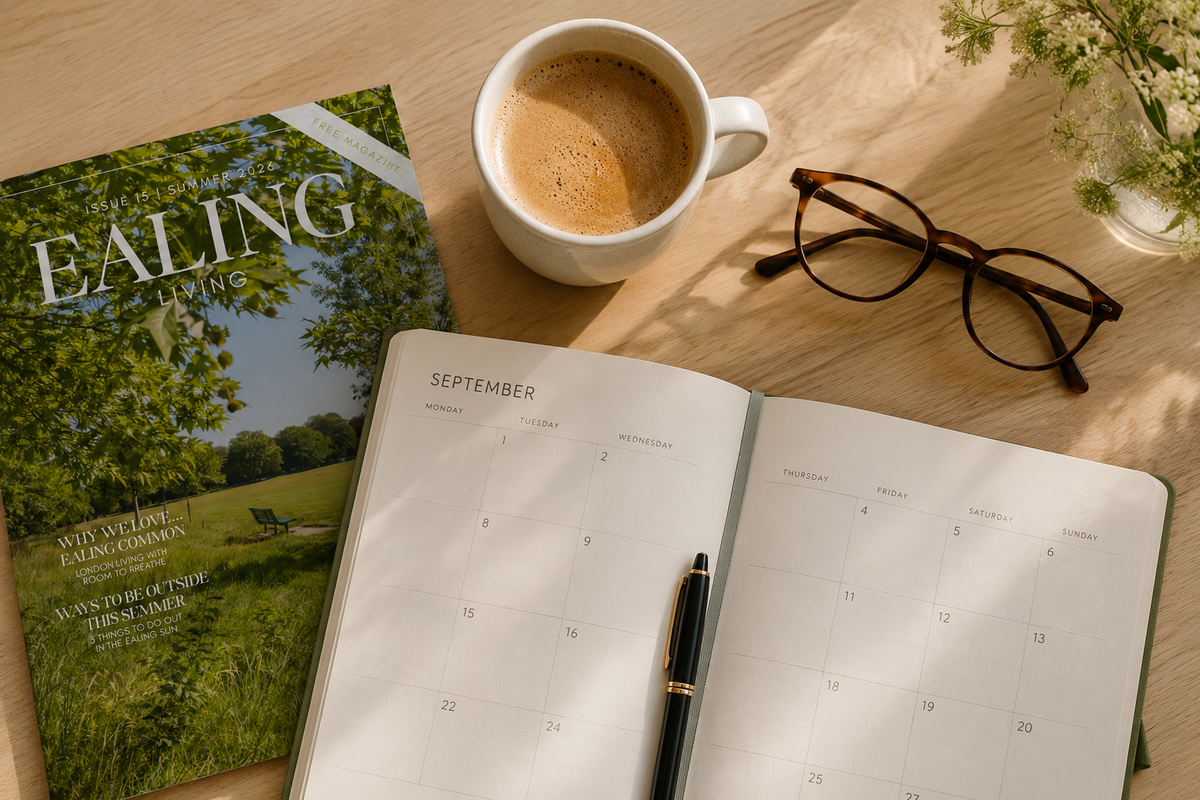
September has arrived. The holidays are over, the school bags are being unpacked and routines are starting to reappear. For many of us, that return to normality can feel reassuring. But it can also bring a surprising dose of anxiety. We spoke to psychotherapist and coach Ruth Gibson of This Curious Life about why September can feel like such a pressure point, and what we can do to make the transition a little easier.
Why does going back to routine bring anxiety, even when we’re looking forward to it?
Received wisdom tells us that summer is light, full of healthy salads, carefree days and replenishment. It’s permission to put your worries down and enjoy the sunshine. And there’s truth in that. The days are longer, the weather is warmer and there’s more opportunity to be outside.
Then the seasons turn. The days become cooler, the nights longer and harvest marks the shift into a new season.
But most of us get two, maybe three weeks of genuine summer. Even then, it can be spent coordinating childcare, holidays and the extra mental load of keeping everyone’s plans afloat, rather than genuinely switching off. And even a good summer can have a downside: all those things you put to one side are still waiting for you when you return.
So why can going back to routine trigger anxiety, even when we’re actually looking forward to it?
Two things can be true at once. You can be really pleased to have the old structure back and, at the same time, feel anxious about what that structure demands of you. That’s how transitions work: you hold both feelings at once.
Psychologically, a few things may be happening. Your nervous system may have been under less demand during your holiday, even if you were busy. Now you’re moving back into planning, organising and, if you work, performing. That takes adjustment and it doesn’t happen overnight.
At the same time, all the things you put to one side before your holiday – projects, decisions, conversations and changes at work that often get announced in autumn – start pricking at the edges of your consciousness, or rushing in and intruding on your everyday thoughts.
It’s the anticipation of these changes that can create a growing dread of September. The worst-case scenario planning, the ticker tape of things to do, can actually be an overshoot when you’re trying to manage the anxiety of change. It’s your mind trying to prepare you for what might happen.
Three things you can do now
1. Check in
Before you get swept up in the changes, take stock.
How much did you actually get to rest and replenish your battery? What habits crept in that you want to leave behind in summer? And what do you want this next phase to look like, rather than simply being buffeted by whatever comes your way?
This isn’t indulgence. It’s giving yourself permission to choose your own pace and change patterns that aren’t serving you.
2. Slow walk
Even amongst the melee of fast-paced life, there is an opportunity to slow-walk your way back into your routine.
Set things up to make your first week of the new cycle easier on yourself. Sort out your wardrobe so the clothes you need are close to hand. Plan your lunches. Keep some slots free in your diary. Put your own mask on first.
Could you start back at work later in the week rather than on a Monday? Like the safety announcements on planes, this is the ‘put your own oxygen mask on first’ approach. You’ll be no use to anyone if you’re running on empty.
Nutritionally, this is also a good moment to move back towards protein, hydration and better sleep, after a summer that may have tilted you more towards carbohydrates and disrupted routines.
3. Ground yourself in the now
Shortness of breath, a tight chest, intrusive thoughts and a racing heart can all be signs of anxiety about what you’re anticipating.
Notice. Name. Shift.
Noticing and naming that you feel anxious gives you a moment of pause. Shifting by taking some deep breaths in and a slower breath out can interrupt the cycle and bring your calm back online.
Notice what is around you, where you are and what you are actually doing. Creating a grounded reality can stop the spiral. You can decide what you need to do today.
And give yourself permission to say no. You can say no to going out to that last summer party and yes to reading that book on your own.
That is what makes the transition sustainable.
Already feeling overwhelmed? Start by shrinking your to-do list.
If you’re already feeling overwhelmed, there’s one thing Ruth recommends doing first: shrink your to-do list.
Write down only what you need to do today, and do that every day.
Say it out loud to the people in your household or the people you meet: ‘I really must do X today. Everything else can wait its turn.’
You’ll probably prompt the same thought process for them, too.
Ignoring your own needs at the cost of tending to everyone else’s won’t be helpful for either of you.
Whatever your September transition looks like, it may help to remember that everyone’s experience is different. However put-together someone’s social media looks, it’s an edit. They’re not posting what’s happening underneath the surface, so don’t fall into the comparison trap.
I now appreciate the seasonal cadence of school terms and holidays, whereas in my childhood it was simply taken for granted. Now I know that having something to look forward to – a good night’s sleep, a weekend, a walk or your next holiday break – matters.
And for parents of children heading into a new school year, starting university or looking for work, there is another layer to consider. You may be holding your child’s anxiety about this transition alongside your own feelings about it.
This is an adjustment for you both. Tend to them, but take time to tend to yourself, too.
It’s not about getting the transition ‘right’. It’s about having the capacity to respond, in the moment, to whatever is being presented in that moment.
Ruth Gibson is a Psychotherapist & Coach at This Curious Life.
This Curious Life
2 Coningsby Rd
London W5 4HR